Zara Jenkins · 27 September 2026
Investigating Light Pollution Effects on Nocturnal Insect Populations Around Residential Container Water Gardens
Artificial light at night continues to alter ecosystems in suburban areas where container water gardens serve as focal points for nocturnal insect activity, and researchers track these changes through field observations and population surveys conducted across multiple seasons. Data collected from monitoring sites shows that moths, beetles, and other night-active insects experience disrupted navigation patterns when exposed to nearby porch lights, garden fixtures, and security illumination that remains on after sunset.
Understanding Light Pollution in Residential Settings
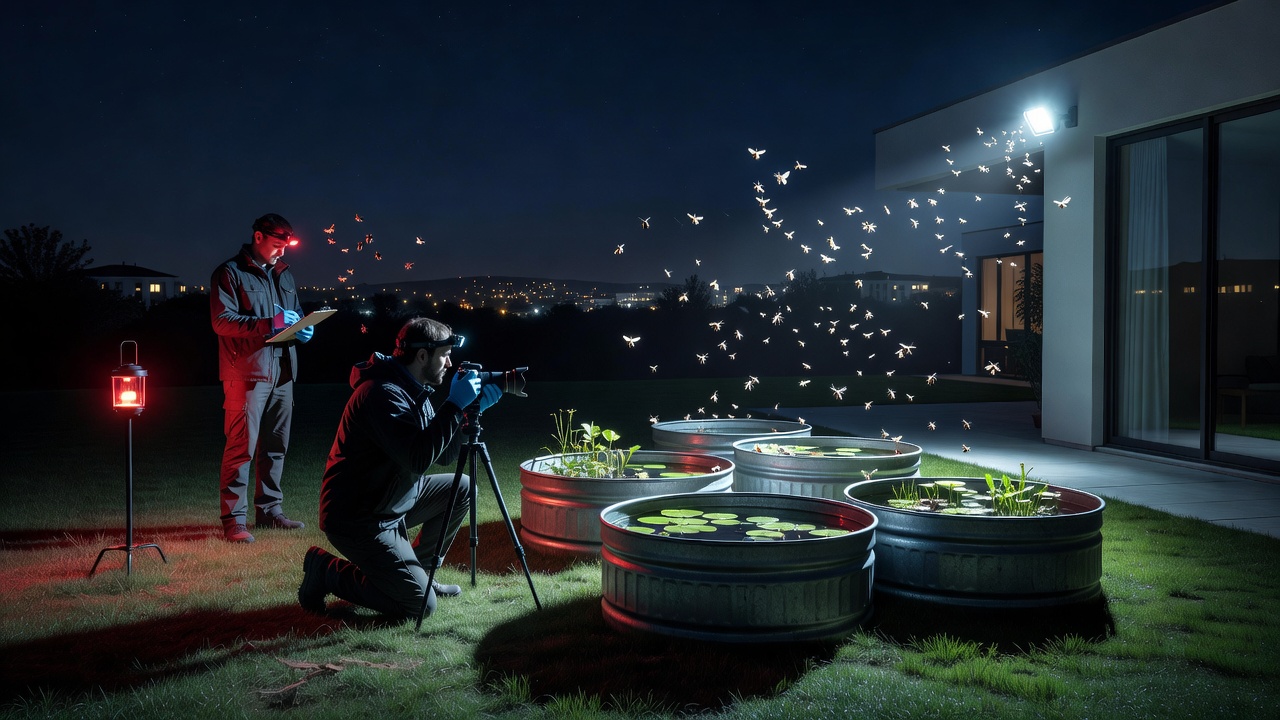
Light pollution originates from unshielded bulbs and fixtures that scatter illumination into surrounding environments, and this scattering affects insects drawn to the reflective surfaces of water features in backyards. Studies conducted in temperate regions indicate that container water gardens attract aquatic and semi-aquatic insects during evening hours, yet the added presence of artificial sources creates zones of constant brightness that extend several meters beyond property lines. Observers note that these zones overlap with natural flight paths, leading to increased energy expenditure as insects circle lights instead of locating mates or food sources.
Measurements taken during summer months reveal higher lux levels near water gardens equipped with decorative LED strips compared to unlit control sites, while readings from September 2026 field campaigns documented sustained exposure even on nights with partial cloud cover that normally diffuses moonlight. Such conditions compound the challenge for species that rely on lunar cues for orientation during dispersal or oviposition.
Observed Impacts on Insect Behavior and Populations
Researchers have documented several behavioral shifts among nocturnal insects near illuminated water features, including premature emergence from larval stages and altered swarming patterns that reduce successful mating events. Trap samples collected over consecutive nights demonstrate that certain moth species appear in lower numbers when light intensity exceeds thresholds recorded at darker reference locations, and similar patterns emerge for aquatic beetles that fly between ponds and breeding sites.
One study revealed that predation rates on disoriented insects rise near bright fixtures because bats and spiders concentrate activity around these artificial hotspots, and this dynamic shifts local food webs that normally balance insect numbers through natural cycles. Data from long-term surveys shows gradual declines in overall abundance at sites where lighting has remained consistent for multiple years, whereas temporary dimming during migration periods correlates with short-term rebounds in capture rates.
Research Methods and Recent Findings
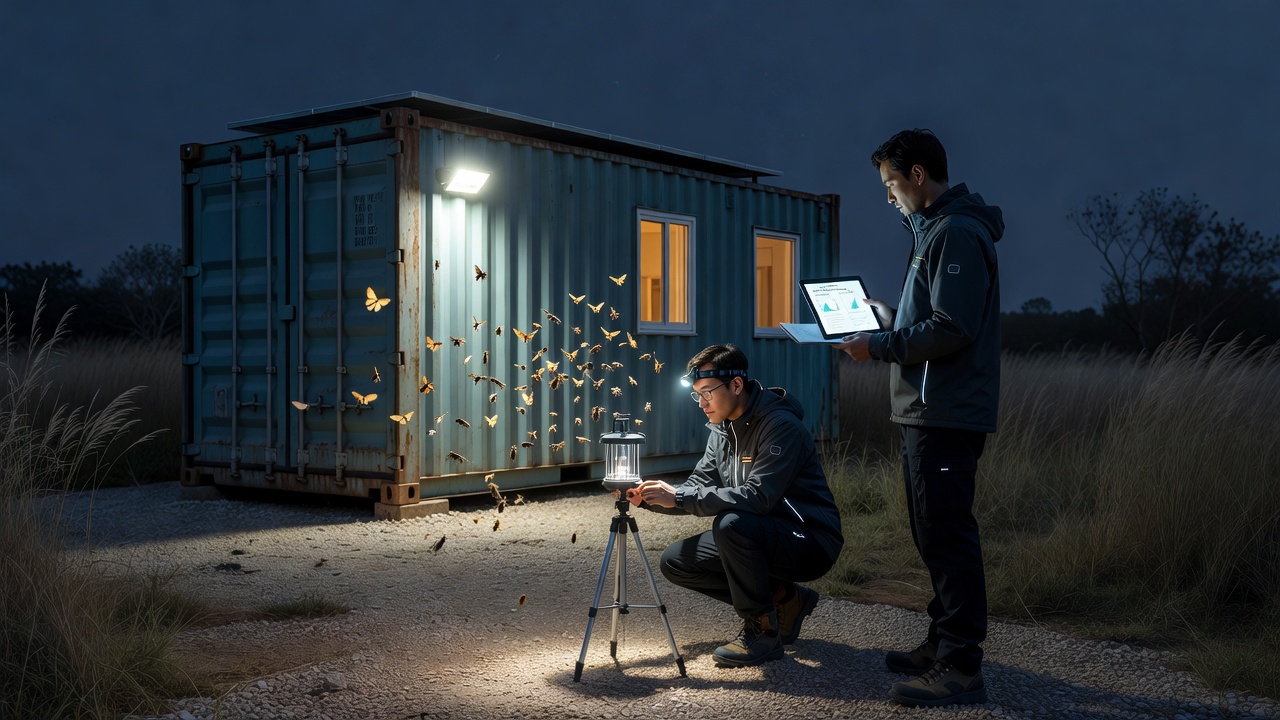
Investigators employ a combination of light traps, pitfall arrays, and remote sensors to quantify insect responses, and they compare results against baseline data gathered from shielded or motion-activated lighting setups. Australian research teams have contributed datasets that highlight regional differences in species tolerance, while Canadian monitoring programs track similar trends across prairie and woodland edges where residential development expands. Figures from these efforts reveal that LED color temperature plays a measurable role, with cooler white lights drawing larger numbers of insects than warmer spectra in controlled comparisons.
What's interesting is how water surface reflection amplifies the effect, because even modest fixture output bounces upward and creates broader attraction zones that extend beyond the immediate garden perimeter. Experts have observed that container features placed closer to building walls experience compounded exposure from indoor light leakage through windows, and this interaction produces distinct population signatures compared to isolated installations.
According to reports compiled by the National Aeronautics and Space Administration, satellite imagery confirms increasing nighttime radiance across suburban zones, and ground-truthing efforts link these trends directly to localized insect monitoring outcomes. Parallel work from the European Environment Agency supports these connections through cross-border comparisons that account for varying municipal lighting regulations.
Seasonal Variations and Long-Term Monitoring
Population responses vary with seasonal light cycles, and autumn months often show sharper contrasts because natural darkness increases while residential lighting schedules remain unchanged. Monitoring continues into September 2026 to capture data on late-season breeders that depend on brief windows of suitable conditions before temperatures drop. Those who've studied these systems note that consistent year-round lighting prevents full recovery of affected cohorts, creating cumulative pressure that appears in multi-year trend lines.
Container water gardens introduce additional variables because water chemistry and plant cover influence insect residency times, yet light remains the dominant factor separating high- and low-abundance sites in paired comparisons. Ongoing projects integrate citizen science contributions to expand spatial coverage, and preliminary analyses suggest that simple shielding retrofits produce measurable improvements within a single season.
Conclusion
Continued investigation into light pollution around residential container water gardens provides clear evidence that artificial illumination alters nocturnal insect dynamics in measurable ways, and coordinated efforts to document these changes support broader understanding of urban ecosystem interactions. Data accumulated through systematic sampling and cross-regional studies supplies the foundation for evaluating mitigation approaches that balance human needs with insect population stability over time.