Devon Meier · 11 October 2026
Birds at the Water's Edge: How Home Pond Upkeep Shapes Foraging Habits in Suburban Neighborhoods
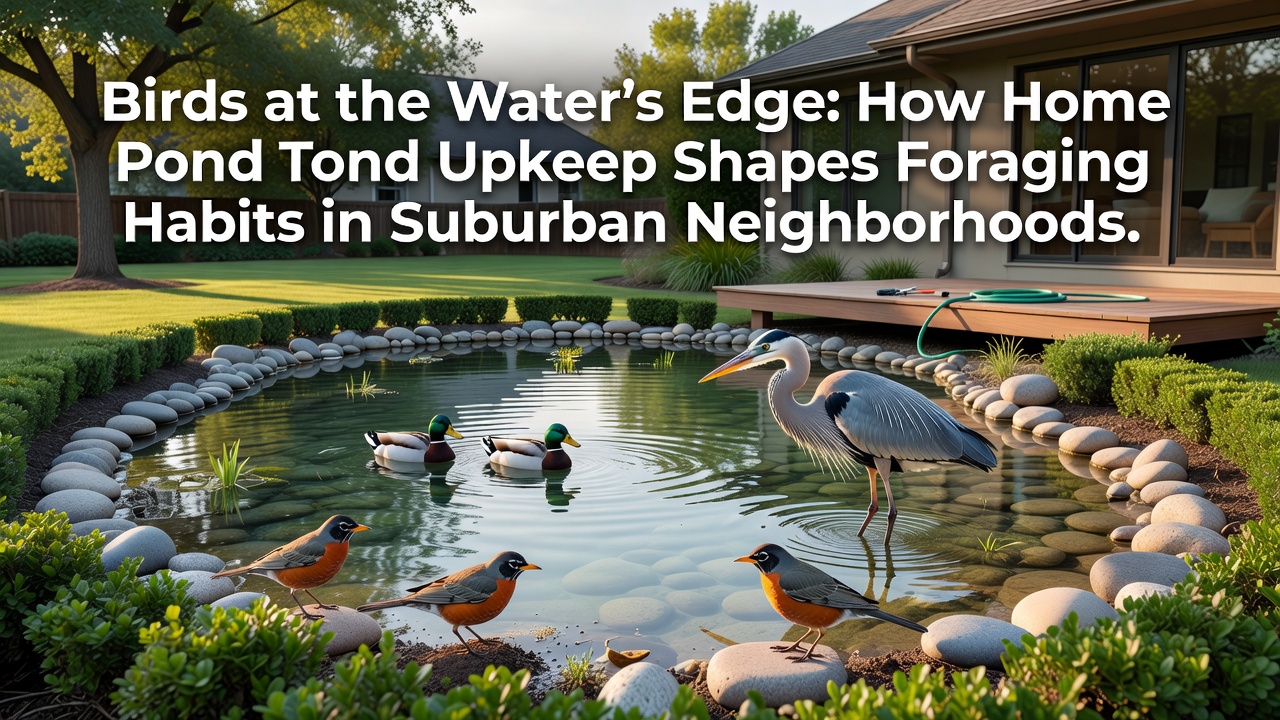
Suburban homeowners across North America maintain backyard ponds that function as reliable water sources and foraging sites for resident and migratory birds, and the specific upkeep practices applied to these features directly influence which species visit and what they consume. Researchers tracking avian activity note that consistent water clarity, controlled plant growth, and minimal chemical inputs create conditions where insects, small fish, and seeds become more accessible, leading to repeated visits from species such as song sparrows, American robins, and green herons.
Pond Design Elements That Support Avian Foraging
Depth profiles and edge contours matter because shallow shelves allow smaller birds to wade while deeper central zones support aquatic invertebrates that attract larger waders. Observers recording visits in October 2026 documented increased activity around ponds with gradual slopes, where leaf litter accumulated naturally and provided cover for emerging midges and beetles. Native marginal plants like pickerelweed and sedges further enhance these zones by offering perches and seed heads that supplement insect-based diets during cooler months.
Water Quality Management and Its Effects on Prey Availability
Regular debris removal and balanced filtration prevent excessive algae blooms that can smother insect larvae and reduce visibility for visual hunters. Data from long-term monitoring programs show that ponds receiving monthly partial water exchanges sustain higher densities of chironomid larvae, a staple for many warblers and swallows. Those who apply barley straw or beneficial bacteria instead of algaecides report steadier populations of mayflies and caddisflies, which in turn draw downy woodpeckers and northern flickers to the waterline for both protein and moisture.
Seasonal Shifts Observed in Suburban Settings
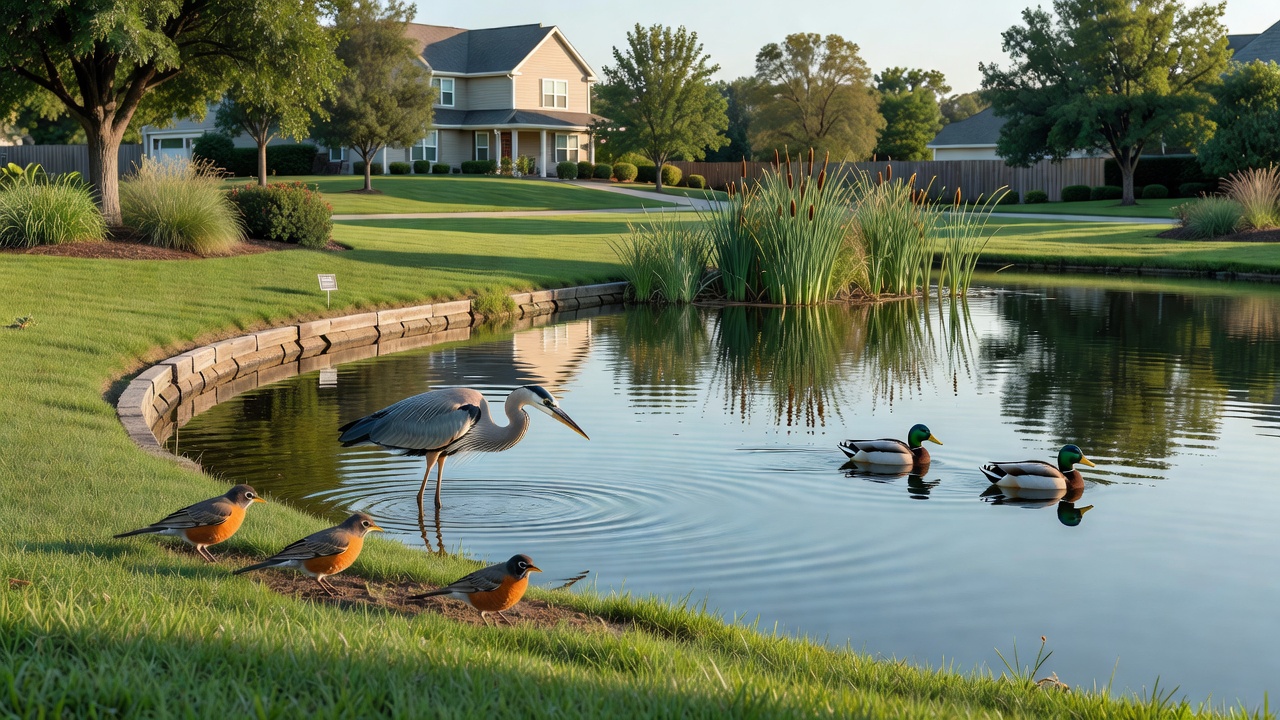
During October 2026, suburban observers across the Midwest and Northeast recorded shifts in foraging patterns as temperatures dropped and insect emergence slowed. Ponds kept free of floating debris allowed ducks such as mallards and wood ducks to dabble effectively for remaining plant matter and snails, whereas neglected surfaces developed thick mats that blocked access. Migration timing overlapped with these conditions, so species stopping over relied on the consistent water edges to refuel before continuing south.
Vegetation Choices and Their Influence on Bird Behavior
Plant selection inside and around ponds shapes both food supply and cover. Those maintaining diverse submerged and emergent species create layered habitats where dragonfly nymphs thrive in teh water column and adult insects rest on stems above the surface. Studies conducted by university field stations indicate that such setups increase the number of foraging bouts by flycatchers and vireos, which glean from the foliage before dropping to the water for drinks. In contrast, monocultures of non-native water lilies can shade out bottom plants and reduce overall invertebrate diversity, limiting options for ground-foraging sparrows.
Chemical Inputs and Avoidance Patterns
Residents who minimize fertilizer runoff and avoid copper-based treatments preserve sensitive amphibian and insect communities that birds depend upon. Monitoring efforts coordinated through regional wildlife agencies reveal lower visit rates at ponds where herbicide residues persist, particularly among insectivorous species that detect chemical cues through their prey. teh result appears in reduced foraging efficiency, prompting birds to travel farther to untreated natural streams or larger park ponds.
Community-Level Patterns and Data Collection
Neighborhoods with coordinated pond maintenance schedules exhibit higher overall bird diversity according to citizen-science databases compiled by organizations such as the Cornell Lab of Ornithology. Participants logging observations note that synchronized autumn cleanups coincide with peak use by mixed flocks, while isolated properties with inconsistent care see more sporadic visits. These patterns hold across different climate zones, from the Pacific Northwest to the Mid-Atlantic, suggesting upkeep consistency outweighs regional climate differences in shaping daily foraging routines.
Conclusion
Suburban pond upkeep practices determine the availability and visibility of prey items that birds rely on at the water's edge. Consistent attention to depth, plant diversity, water exchange, and reduced chemical loads supports stable foraging opportunities throughout the year, including the critical autumn period documented in October 2026. Continued monitoring by researchers and residents alike continues to clarify how small-scale decisions scale up to affect local avian communities across varied suburban landscapes.